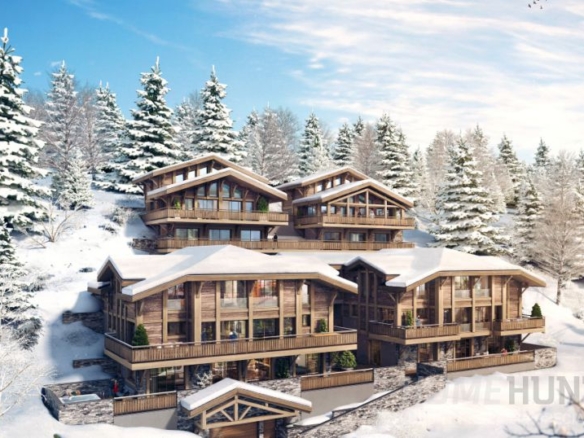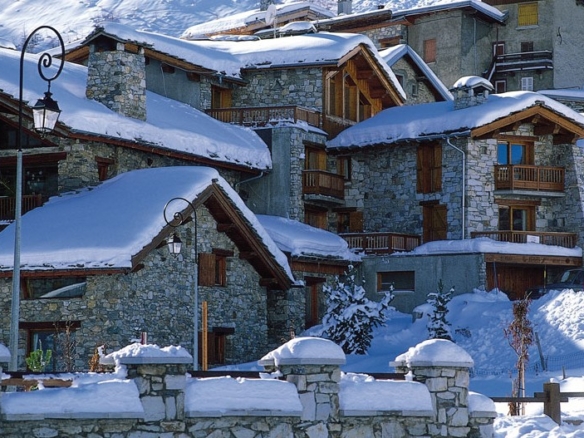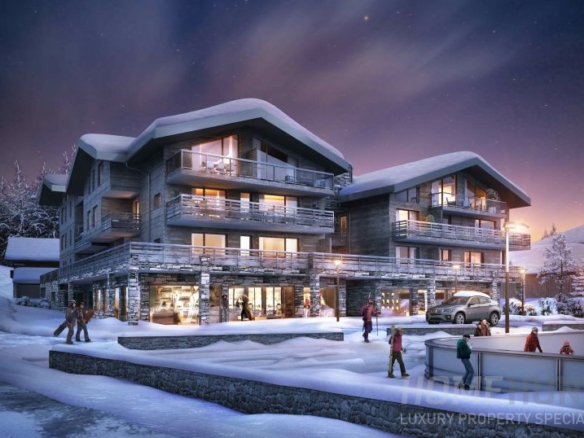

When buying a French ski chalet, the features that are the most appealing are also the quickest to assess: stunning mountain views, proximity to the slopes, architectural character both inside and out. However, these visible details don’t tell the whole story of a property. Some of the factors that will have the biggest impact on the cost of ownership are only found in the property’s diagnostics, independent surveys and co-ownership paperwork.
Alpine properties face unique conditions that aren’t relevant in coastal or urban settings, such as freeze-thaw cycles, heavy snow loads, and seasonal access. On top of these demands, many homes in France’s ski resorts require co-ownership, which brings with it shared costs and decision-making.
International buyers who understand the DPE, Syndic fees and France’s mandatory diagnostics are in the best position to make an informed decision. In this guide, we’ll discuss what you need to check before committing to your dream ski chalet in France.

Table of Contents
Why Alpine Property Needs a Different Set of Checks
Mountain buildings are structurally distinct from other types of homes due to aspects like freeze-thaw cycles, snow loading on roofs and timber movement. Exposure also plays a role, as the chalet’s position and orientation determine the impact of rain, snowfall, sunlight and wind. A property that’s exposed, for example, could become more affected by heat loss, moisture penetration and weathering than a sheltered building.
Additionally, many alpine defects are seasonal and can’t be seen during a summer viewing. For example, condensation, heating and insulation issues may not be noticeable during the summertime. On the other hand, snow can conceal roof damage during the winter. Ideally, you need to be able to visit the property a couple of times across seasons for a well-rounded view or to have an independent surveyor identify issues during both cold and warm months.
Also consider that many chalets and chalet apartments are located in co-ownership residences, which means the buyer acquires a share of a building instead of having an entire privately owned home. Not only will the buyer then contribute to shared costs, but they’ll also be affected by decisions made by other co-owners.
Lastly, buyers often misunderstand how UK and U.S. survey expectations compare with the French diagnostic system. In the UK and U.S., buyers typically commission a broad inspection that assesses the overall condition of the property. In France, on the other hand, the seller is legally required to provide technical reports, called a Dossier de Diagnostic Technique (DDT), which covers asbestos and lead risks, electrical and gas installations, and energy performance.
What the DPE Result Tells You About a Ski Chalet
The Diagnostic de Performance Énergétique (DPE) is an energy performance test, and it’s a mandatory part of the seller’s diagnostic pack. The DPE is based on an A to G scale, with each letter indicating a property’s energy efficiency (A being the best and G being the worst). To learn exactly what a DPE result should include and what the different sections mean, the French government website has a thorough page dedicated to the topic.
It’s common for alpine properties to return weaker DPE results, impacted by older timber construction, single-glazed windows in period chalets, and a greater heating demand at altitude. While a poor DPE result could mean higher renovation costs and lower resale liquidity, it doesn’t automatically mean you shouldn’t invest in the property. Instead, it opens the door to negotiations that account for the buyer’s added costs.
When determining the renovations needed to improve a chalet’s DPE result, considerations include:
- Planning rules and limitations in protected resorts
- Restricted work windows during the winter season
- Contractor availability
These factors can become more complicated in a co-ownership building where an individual owner cannot act alone.
Understanding Syndic Fees and Co-Ownership Costs
A Syndic de copropriété is a professional entity that’s responsible for managing a co-owned building’s communal areas and services. As the operations manager of a property, the Syndic is responsible for the following:
- Building maintenance
- Ensuring legal compliance and safety
- Financial management
- Managing contracts and service providers
- Organising annual meetings
- Responding to emergencies
Co-owners must budget for tantièmes, which are expenses related to a building’s common areas, with the actual cost being based on the owner’s share. Additional expenses include routine annual charges, which pay for everyday operations of the building, and the fonds de travaux contribution, which goes into a reserve fund that’s held for future major building repairs. There may also be one-off levies for major upgrades or emergency repairs.
While lowland property may have similar charges, costs tend to be higher in ski residences due to added factors like communal heating, lift maintenance, seasonal staffing and snow clearance.
Documents To Request When Assessing a Property
Before committing to a property, it’s a good idea to ask to see the following documents:
- Litigation involving the copropriété
- Recent procès-verbal d’assemblée générale (PV d’AG), an official legal document that records details of the general meeting
- Record of works that have been voted on but not yet executed
- Statement of current and forecast charges, which is a financial document that presents a clear picture of the property’s financial health
When assessing the documents, watch out for the following red flags:
- Deferred major works on communal heating, facades or roofing
- High amount of overdue money from owners
- Underfunded reserves for an older building with foreseeable needed renovations
Additionally, it’s also important to determine whether the Syndic is professional or benevolent. A professional Syndic means that they’re trained in property management and do it as their profession. A benevolent Syndic is one who is a co-owner of the building and volunteers their time to manage the property.
Structural Surveys: What France Does and Does Not Require
A full structural survey is not standard practice in a French real estate transaction, and if the buyer wants one, they’ll need to commission it. Knowing what the mandatory diagnostics already cover will help you decide how to fill the gap with commissioned structural surveys. Depending on the age and type of property, the core diagnostics covered may include information about the following:
- Asbestos absence or presence
- DPE and possible energy audit
- Indoor electricity and gas installations
- Lead Risk Assessment
- Noise Diagnosis
- Non-communal sewage facility
- Risks including natural, technological, etc.
- Termites
By knowing what to expect in the official diagnostic report, you can instruct an independent expert to survey additional aspects of the property, especially those specific to an alpine setting. Those include:
- Ground stability and drainage on sloping plots
- Heating and water systems, including considerations when the property is unoccupied during freezing conditions
- Roof structure and its capacity to endure snow load
- Timber condition, including insect, moisture and rot damage
- Waterproofing of the balcony and terrace
Consider timing these surveys to be complete when you and the seller sign the initial contract, called the compromis de vente. Having a true view of the home will help you negotiate price and prepare for suspensive conditions.
How a Buyer’s Agent Changes the Process
For international buyers, knowing what to check is only part of the puzzle. It’s also important to know which questions to ask and when independent specialists should be called in. Beyond finding suitable properties for your ownership goals, a buyer’s agent can add value by guiding you through the process.
Home Hunts represents buyers, not sellers, which means our services stay focused on your priorities. We know that once you consider DPE results, co-ownership documents and long-term costs, the property that made a strong first impression may not actually be the right one for you. We’re able to explain financial and technical information in an understandable way, identify the parts of a property that need further investigation, and coordinate with specialists on your behalf.
Access is also valuable in sought-after ski resorts, as the best chalets and chalet apartments are in limited supply. Our buyer’s agents have relationships that provide access to private homes before they reach the wider market.
Final Thoughts
While the paperwork you’ll receive at the start of a French real estate purchase is an important step in the process, it doesn’t always provide a complete view of the alpine property you’re considering buying. Energy performance considerations, financial commitments and specific risks may be identified, but buying a home in an alpine environment requires even more due diligence from the buyer.
Before you commit to a chalet, consider the potential costs of communal works, energy improvements and structural maintenance. In a mountain setting, drainage, heating systems, roofs, timber and waterproofing come with significant implications. Thorough due diligence means buyers will have a clear understanding of what they’re buying beforehand, which can be especially useful during the negotiation stage.
If you’re interested in buying a luxury ski chalet or apartment in France, Home Hunts can help you navigate your search and the beginning-to-end purchase. Contact us to discuss your property requirements and we will help you find a home that suits your needs.