

Owning a French vineyard is a lifelong dream for many, combining investment potential with unbeatable lifestyle opportunities and sought-after prestige. From the hills of Bordeaux to Provence’s sun-drenched landscapes, France’s wine regions are connected to centuries of winemaking.
Beneath the obvious appeal of owning a vineyard, though, are complexities that add challenges to the purchase, especially for first-time international buyers. These include market dynamics, production costs, regulations, and terroir nuances.
First-time buyers may find it confusing and overwhelming to navigate this type of purchase. However, with expert guidance and plenty of preparation, you’ll be able to find and buy a vineyard that will double as a savvy investment.
Key Takeaways
Buying a vineyard in France requires clear goals, whether for lifestyle or commercial use, and an honest assessment of how involved you want to be. Success depends on understanding legal and operational demands, carefully evaluating land and vines, and ensuring winery infrastructure supports your plans. Hospitality potential, hidden costs, and maintenance should also be considered. Expert guidance is essential for navigating the market and making a confident, well-aligned investment.

Table of Contents
What Should You Understand About the Reality of Vineyard Ownership Before You Start Your Search?
Before you even begin searching for your vineyard property, it’s important to understand what owning this type of home and business entails. While thinking of a historic chateau set amongst sprawling vines is undoubtedly romantic, passion is only part of the picture. The daily reality of running such an elaborate property can’t be ignored.
Commercial Estates vs. Lifestyle Vineyards
While many vineyards operate for commercial reasons, others exist solely for the lifestyle benefits to the owner. For the latter, the main goal is to have the pleasure of wine production while maybe (or maybe not) profiting from it.
Full-scale commercial operations, though, are specifically designed to generate a significant amount of revenue, and they require a much more professional approach to management.
Knowing which type of estate you’re after and what owning that type of property requires will shape your search and budget.
Level of Involvement
First-time owners don’t usually know just how much hands-on attention a vineyard needs. While you may opt to hire a team of skilled workers, you’ll still be responsible for making strategic decisions about marketing, vineyard planning and more.
Consider how much time and energy you’re able to commit to running the property. Then, decide if you’ll oversee operations yourself or if you’d be more comfortable in an advisory role.
If you’re not relocating to France permanently, consider how often you’ll be spending time away from the vineyard and if you’ll be living on-site at all. From there, decide how much remote management is realistic.
Commonly Overlooked Commitments
Regulatory requirements, time commitments and staffing are often underestimated by first-time vineyard buyers, even if you’re a seasoned investor. However, owning a vineyard involves agricultural permits, labor management, legal frameworks and ongoing maintenance. Without planning for these elements, the demands on you can become overwhelming fast.
It’s also important to know that the rhythm of running a vineyard changes from season to season. For example, spring and summer are typically focused on growth and maintenance. Harvest season, however, requires hands-on work and long days in the field. And while the winter months may be the quietest, this is when owners opt to tackle paperwork, planning and marketing.
Long-Term Goal Alignment
Clarifying your goals from the beginning of the process is key to focusing your search on only the properties that are best for you. Define your priority — whether that’s financial return, lifestyle enjoyment or a combination of the two — to guide your decisions and avoid mistakes. From there, align your vision with professional advice from an established estate agent. This is the best way to ensure your purchase will support your goals for years to come.
How Do You Assess the Land, Vines, and Terroir With Confidence?
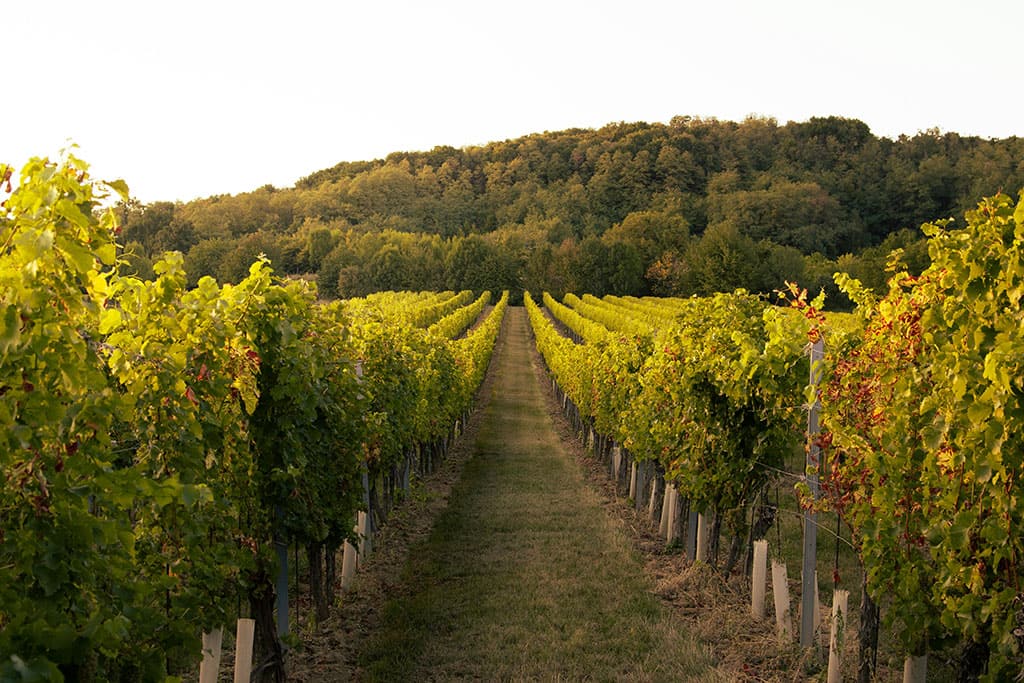
One of the most critical (and the most misunderstood) aspects of purchasing a vineyard is evaluating the land. Aside from the lovely buildings and breathtaking views, the property’s true value lies in its land, including the climate, geography and soil.
Look Past the Surface
Key factors that affect the health of the vines and the types of wines you can produce include:
- Altitude
- Drainage
- Microclimate
- Slope
- Soil composition
- Sun exposure
Even if there are two vineyards in the same region, they can have dramatically different results due to differences in drainage, sun exposure or other characteristics.
Understand the Vines
What’s already planted in the land is also an important consideration. The age of the vines, disease history, planting density, and schedule for renewal or replanting all have to be assessed.
Younger vines may take longer to reach full production, which can impact your profitability timeline. On the other hand, older vines may be able to produce incredible grapes, but they require more careful maintenance to ensure their continued health.
Be Aware of Deceiving Aesthetics
It’s common for first-time buyers to fall in love with how a parcel looks, but that land could underperform where it’s important. Even vines that appear healthy may have past disease problems or underlying soil or water issues, all of which can limit productivity. Never assume that an aesthetically attractive vineyard indicates its potential.
Work With Experts
Third-party experts, like agronomists and viticulture consultants, are extremely important when you’re buying a vineyard. They have the expertise needed to gather and interpret information about climate patterns, soil composition, vine health and more. Assessments from professionals will help you make confident and informed decisions while reducing costly risks.
Beyond physical assessment, establishing a network of trusted professionals will protect your investment and provide valuable guidance through your entire period of vineyard ownership.
How Can You Judge the Quality and Scalability of the Winery and Facilities?
Owning a vineyard isn’t just about the vines, especially if you’re interested in a commercial venture. You also have to consider the infrastructure that will turn grapes into wine that’s ready for the market. It’s essential to understand the scalability and quality of the winery and other facilities before buying a property.
Evaluate the Winery Equipment
In many ways, your equipment is the heart of your production. You’ll need to ensure that the equipment aligns with your production goals as well as regulatory requirements.
Assess filtration systems, presses, pumps and tanks for age, capacity and technical compliance. While older equipment may be included with the sale or have a certain kind of charm, it can require expensive repairs or upgrades to meet modern standards or scale as needed.
Assess Barrel Rooms, Bottling Options and Storage
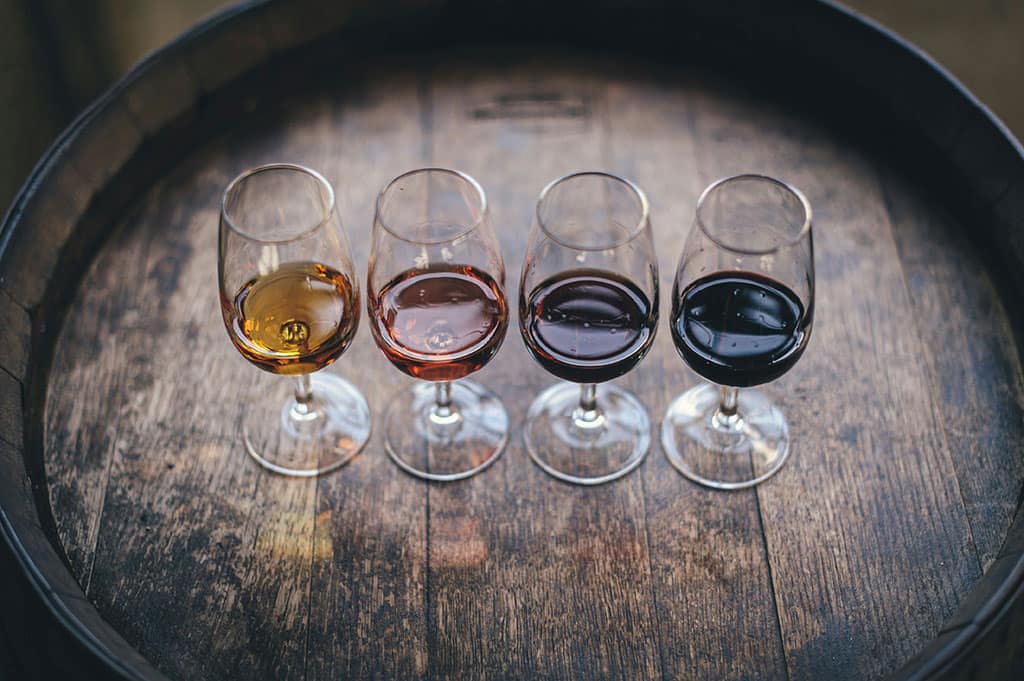
It’s necessary to have proper aging and storage facilities if you want to produce quality wine. Examine barrel rooms, bottling lines and temperature-controlled cellars to ensure they’ll support current production as well as future plans. If you have limited capacity or outdated storage, your operation may experience a bottleneck that impacts wine quality and marketability.

Consider Hospitality Potential
Beyond wine sales, there are hospitality revenue streams that many vineyard owners are interested in offering. Those include:
- Event spaces
- On-site accommodations
- Tasting rooms
These types of experiences can turn your vineyard into a luxury destination, increasing your financial return as well as your enjoyment.
Evaluate hospitality buildings and areas for condition, regulatory compliance and scalability — or determine what you’ll need to build in order to suit your plans.
Prepare for the Challenges of Older Estates
Converted farm buildings and older properties may be brimming with character, but they’re prone to costly maintenance, inefficient layouts and structural limitations. Make sure the property is thoroughly inspected and evaluated by experts before you move forward with the purchase. From there, you’ll know if the vineyard is currently able to support your goals or if significant financial investment is needed to get it there.
Final Thoughts
Buying a vineyard in France offers an irresistible combination of investment potential, lifestyle and prestige. However, it’s also a major commitment that requires foresight, knowledge and preparation. For first-time buyers, the main lessons are:
- Choose a region and property type that matches your goals. Whether you’re after a financial venture or a new way of life, getting the right location, vineyard size and operational focus is necessary for long-term satisfaction.
- Understand the operational realities of owning a vineyard. Aside from enjoying the beautiful landscape, owning a vineyard involves complex viticulture, meeting regulatory requirements, hiring staff and more. Some buyers will need to outsource vineyard and winery management if they don’t plan on being on-site often. Being aware of these realities from the start will prevent surprises.
- Take advantage of expert guidance. From evaluating the terroir and vine health to assessing winemaking facilities, estate agents and third-party consultants will guide you to make confident, informed decisions.
For international buyers in particular, working with local experts is invaluable, especially if they’re familiar with the local market as well as the specifics of overseas purchases. You’ll need high-level guidance that goes beyond standard property transactions to navigate agricultural practices, appellation rules, and regional regulations.
With smart preparation and professional support, owning a vineyard in France can be more achievable than you’ve imagined, and it’s a deeply rewarding experience, too.
Home Hunts is a luxury property finder who is able to select beautiful, luxury vineyard properties in France based on your specific search criteria. Browse our selection of luxury properties and estates or speak directly to one of our expert property consultants by calling +33 (0)970 44 66 43.


