


While buying vineyard property in France certainly carries a certain amount of prestige, deciding on the region is more about aligning with your goals than chasing what’s popular. The best vineyard region for you may not be the most famous or recognised one. Instead, it’s the one that will best fit with your specific requirements.
Far too many international buyers underestimate how much the region affects their ownership experience. However, vineyard ownership is a lifestyle and real estate decision as much as it is a business decision, and all elements need to be considered.
In this guide, we’ll close the gap between wine-focused decision-making and buyer realities.
Key Takeaways
The best region to buy a vineyard in France depends on your goals, not prestige. International buyers should balance investment potential, lifestyle use, and long-term value while factoring in access, staffing, climate resilience, and ownership practicality. Burgundy favors prestige investors, Provence blends lifestyle and business appeal, and Languedoc-Roussillon offers scale and value, with other regions serving more specialised ownership needs. The right choice is the one that fits how you plan to live, operate, and invest.
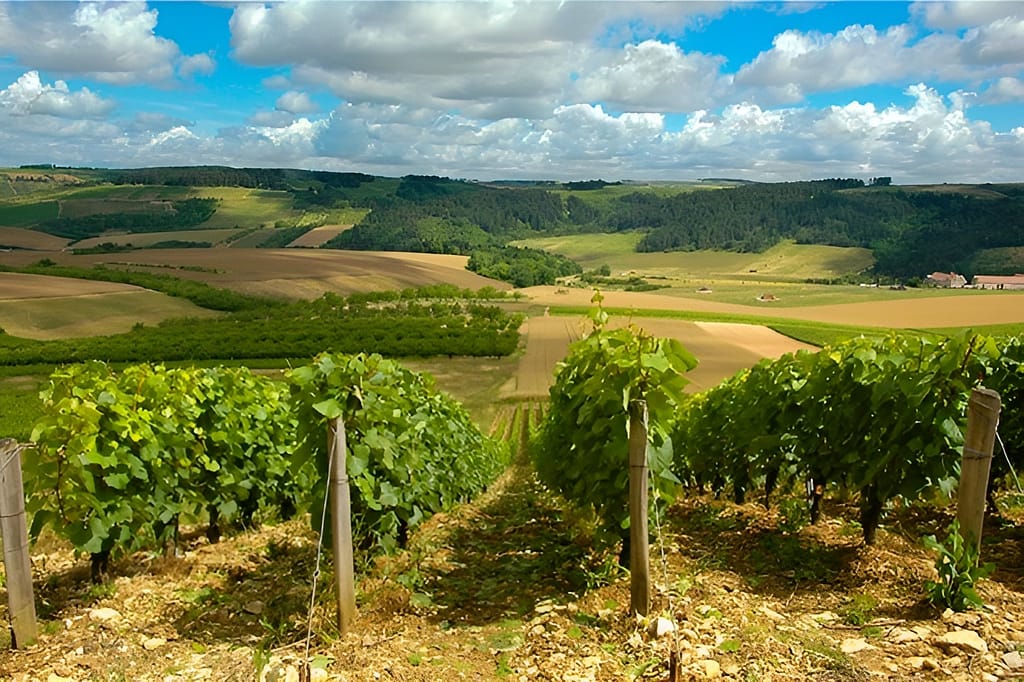
Table of Contents
What Does the “Best” Region for a Vineyard Really Mean for International Buyers?
There’s no universal answer when it comes to the “best” region for buying a vineyard in France — the answer is subjective, not absolute. To determine the ideal region for you, it’s important to consider:
- Commercial wine ambitions
- Lifestyle returns
- Long-term asset preservation
Essentially, there are three main types of buyers: investment-focused buyers, lifestyle-first buyers, and hybrid buyers who care about personal use as well as revenue. Moreover, priorities will differ between absentee buyers, hands-on owners and legacy purchasers. There is no wine region in France that can successfully satisfy all of those types of buyers, which is why it pays to narrow the market based on your preferences.
Ultimately, the region you choose will influence the complexity of ownership, the cost, and how much you enjoy the property. And while compromises may have to be made, knowing what you want will help you decide on which intentional concessions won’t upend your goals.
Alongside regional selection, buyers should also evaluate financing options for buying a vineyard in France to understand budget scope and acquisition structure.
Why Do So Many Vineyard Guides Disregard What Actually Matters to Buyers?
While vineyard guides may be helpful when it comes to making wine-specific decisions, there isn’t a good enough balance between that information and buyer-centric advice. Guides tend to place too much emphasis on appellations and grape varieties while failing to discuss the following:
- Accessibility: How easy the property is to reach matters to jet-setting owners as well as consultants, suppliers and workers.
- Foreign Ownership: Guides often focus on domestic ownership instead of addressing the unique factors that international buyers should know about.
- Property Usability: While some vineyard properties are designed for residential living, some are only appropriate for commercial ventures.
- Staffing and Operations: Unless you’re buying a tiny hobby vineyard, you won’t be able to run the property on your own. Guides sometimes neglect to mention the reliance on regional labour and management teams.
Buyers need to view vineyard ownership through a lens that’s meant for them, specifically one that doesn’t ignore the regional conversation.
How Do Climate and Terroir Affect Long-Term Vineyard Ownership?
Core terroir factors should matter to owners as well as winemakers; often, only the latter concern themselves with terroir. Vineyard buyers, particularly non-residents, should have a firm grasp on the following:
- Adaptability of different regions to changing conditions
- Climate stability and resilience
- Micro-locations within each region
There are many reasons why these terroir factors matter. First, climate volatility affects more than just yields — it can also raise maintenance costs. Second, extreme weather like drought and heat increases your dependency on skilled local teams. These risks form part of the wider challenges of owning a French vineyard, particularly for overseas buyers managing from afar.
Here’s another consideration: If you’ll be an absentee owner, you’ll want a region with strong infrastructure and proven resilience since you won’t be present to oversee operations.
In addition to evaluating future expectations related to the terroir, also look at historic performance. This will give you a clearer and more well-rounded view of what to expect.
Which Vineyard Regions in France Best Suit Lifestyle and Investment Buyers From Overseas?
Let’s go over some of France’s top wine regions and discuss which type of buyer each one might suit. Keep in mind that these are profiles related to ownership fit, not wine-growing quality.
Before we dive in, here are a couple of other details to remember: Availability varies dramatically year-to-year, but working with an property agent can open up off-market opportunities, especially in top regions.
Burgundy
For a discreet rural lifestyle that doesn’t sacrifice cultural depth, consider a vineyard in Burgundy. While availability is limited and vineyard parcels are on the small side, the area appeals to collectors, investors and legacy buyers who recognise its prestige and long-term value.
Burgundy has achieved a strong global reputation and is in high demand, which means buyers need to be prepared for the realities of access, competition and pricing.
Be sure not to overlook the importance of local relationships as well as off-market opportunities, and stay open to vineyard estates instead of searching only for a commercial property. Also, weigh the protection of long-term value versus shorter-term operational returns to decide if this region is the best choice for you.
Provence
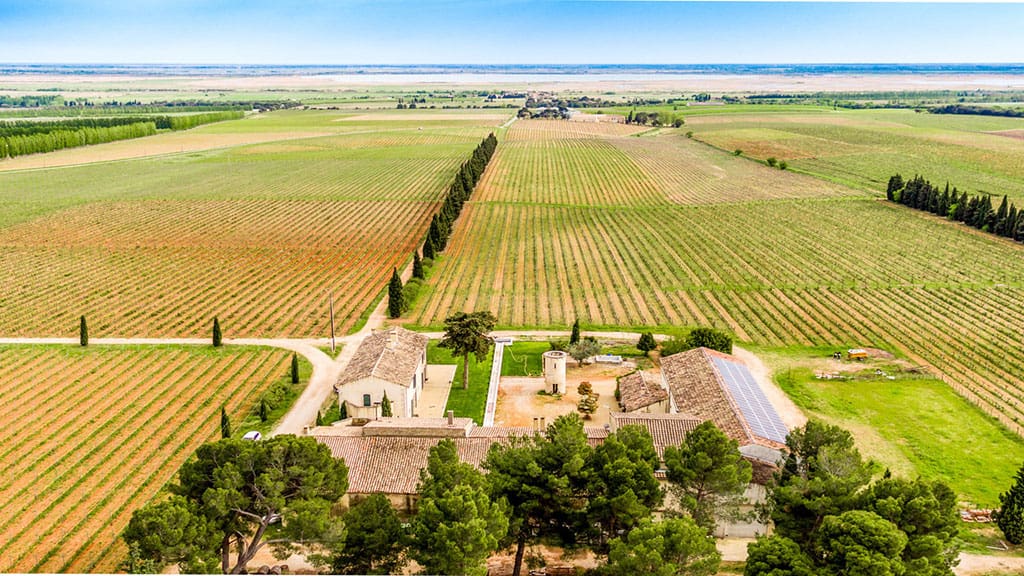
Combining commercial credibility with lifestyle appeal, vineyards in Provence come in the shape of larger estates and flexible property layouts. Combined with easy access, international recognition, the sought-after Mediterranean climate, and a strong rosé market, it’s clear why this region has so much branding power behind it.
Make sure to consider your personal use of the property versus vineyard production, and while doing that, decide if this will be your primary residence or a second home. (Provence works particularly well for part-time owners.) Additionally, consider other types of uses for the property, such as integrating a hospitality business with your vineyard.
Occitanie / Languedoc-Roussillon
For a larger vineyard with scale, value and creative potential on its side, consider the Languedoc-Roussillon region — and be prepared for competitive land prices. The diversity of appellations and terroirs is appealing to buyers seeking growth, experimentation or operational involvement. Moreover, international buyers who have been priced out of traditional regions are especially drawn to the area.
Pay special attention to the region’s micro-locations, and note how lifestyle varies dramatically across the different sub-regions. If you’re able to find an area you love, there are ample opportunities to combine your vineyard with a tourism business or create another type of mixed-use estate.
Other French Vineyard Regions To Consider
While not always the most practical regions for international lifestyle buyers, the following areas are still worth considering when purchasing vineyard property.
Though there are limits to living in these areas when it comes to ease of ownership, lifestyle flexibility, and property variety, there are certainly properties that naturally integrate running a vineyard with normal residential use. For international buyers who are after that type of living arrangement, these regions may be perfect.
Bordeaux: To build a prestigious investment profile, consider a property in the globally recognised Bordeaux region. There are a large number of commercial estates here, which is ideal for buyers who want to manage a wine business rather than buy a residential property. However, it’s important to prepare for high operational complexity and staffing requirements.
Champagne: For exceptional brand recognition and long-term value, consider a property in the highly regulated Champagne region. Vineyard ownership here is dominated by established houses and growers, and there’s limited availability for private, mixed-use properties.
Loire Valley: With a broad range of appellations and wine styles, along with lower entry points than Burgundy or Provence, the Loire Valley offers an attractive rural lifestyle complete with chateaux and historic towns. While there are some large turnkey vineyard estates for sale, which are well-suited to international buyers, there’s limited availability.
Rhône Valley: With distinct differences between its northern and southern areas, consider differences in climate, price and scale when considering the Rhône Valley for your vineyard property. Generally, this area is best for production-focused vineyard ownership rather than residential use.
How Should Buyers Weigh Lifestyle, Access, and Day-To-Day Practicality?
When deciding if a location is right for you, consider access, daily practicality and lifestyle details, such as:
- Availability of trusted local teams, especially if you’ll be an absentee owner
- Local infrastructure, including healthcare and schooling, as being far from needed services can become more frustrating and challenging over time
- Proximity to international and local transportation links, including airports and train stations
- Year-round livability instead of seasonal appeal — seasonal regions can feel isolating during the off-season
For some buyers, these factors may matter more than the appellation. For example, if you’re relocating your family to France, you’ll want to be close to an international school. Or, if you’ll be using your vineyard property as a second home, you’ll want an international airport close by.
How the property fits your lifestyle is directly tied to your long-term satisfaction. Consider an extended visit to the region to test it out before committing.
Final Thoughts
The best vineyard region in France isn’t about the label — it’s the locale that fits your lifestyle. When looking into regions like Burgundy, Provence and Languedoc-Roussillon, consider the different advantages each one offers, thinking beyond reputation and toward ownership realities.
Adaptability, long-term enjoyment and value retention should be at the top of your priorities list. To make an informed decision about acquiring a vineyard in France, consider working with a property agent for independent, expert guidance.


