

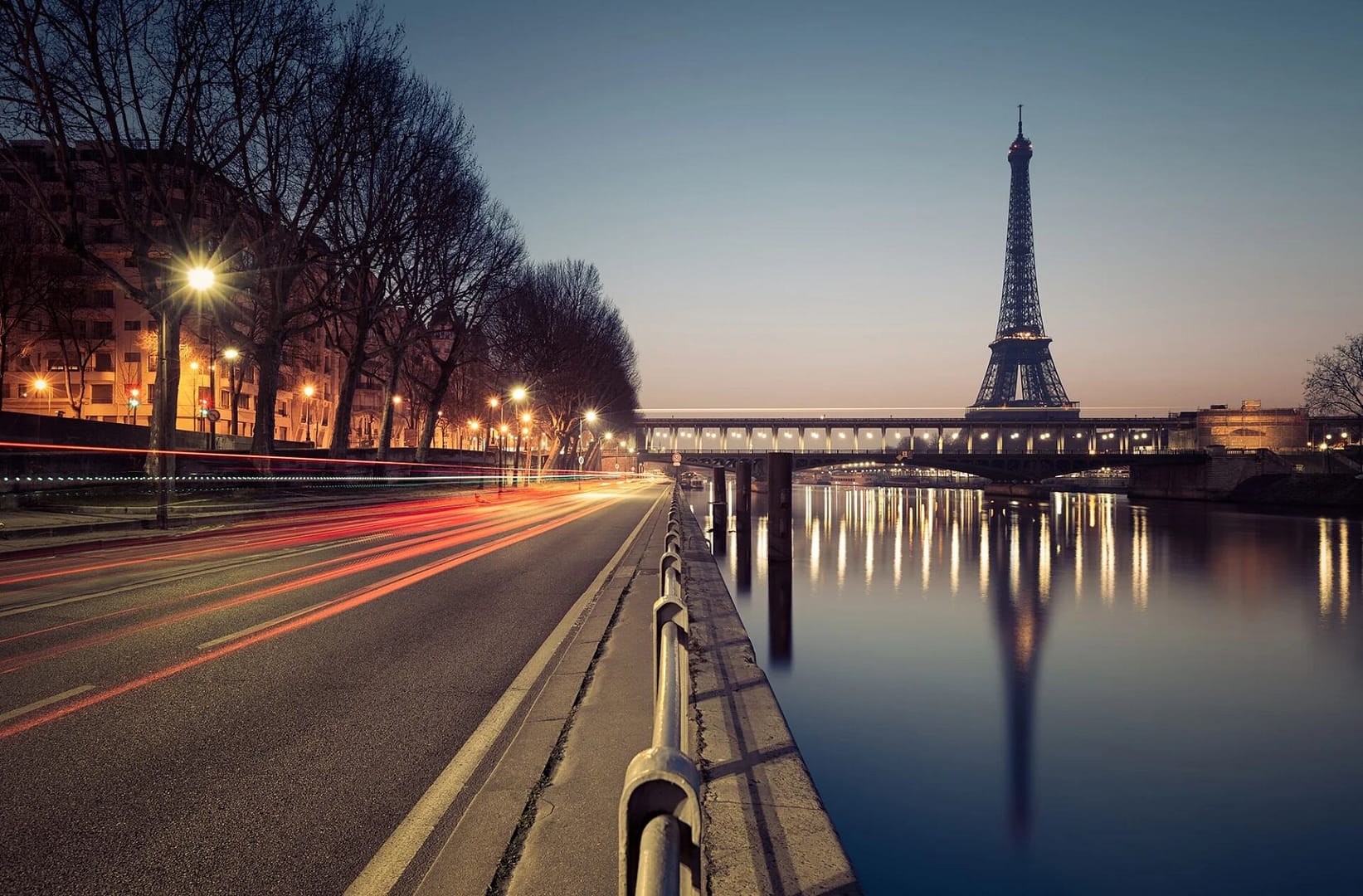
Paris has long been considered one of the world’s safest places to protect and grow wealth. Today, international buyers continue to be drawn to the city for its culture, global recognition, history and stable property market. Even during times of economic or political uncertainty, Paris’ most desirable neighborhoods have remained strong. Consistent global demand, limited new development and strict building regulations have supported the city’s long-term value.
However, when it comes to luxury property in Paris, “expensive” doesn’t always equate to “large.” Instead, prices are driven by historic architecture, prestigious addresses, proximity to iconic landmarks, and rarity. A beautifully renovated apartment in a classic Haussmann building can command a premium price tag not because of space but because of heritage and location, for example.
If you were to ask a buyer’s agent who works exclusively with international clients seeking luxury homes, the true appeal of Paris’ top neighborhoods is the mix of history, lifestyle and lasting value they offer.
Table of Contents
What Defines a Luxury Neighborhood in Paris?
Luxury in Paris is defined differently than in other global property markets. Unlike cities where prestige is driven by large square footage, new developments, or ultra-modern amenities, Parisian luxury is based on architecture, history and location.
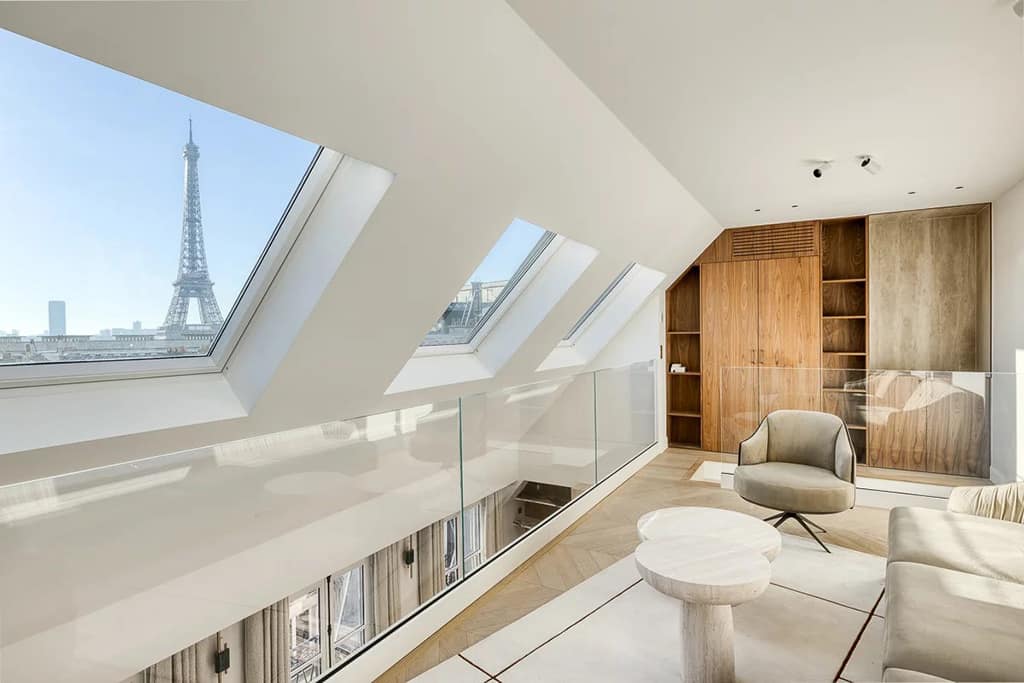
Even a home’s micro-location is critical, as property value can vary significantly from one street or arrondissement to the next. The exact building, floor level, natural light, street side, and views all influence how desirable a property is, having a direct effect on price. The homes that tend to command premiums have landmark or river views and quiet, residential settings, as these are the most limited and impossible to replicate.
Lifestyle factors play a central role as well, and certain characteristics are highly valued by international buyers. These include walkability to boutiques, cafes, cultural institutions and parks, as well as the property’s discretion and security. For example, a petite apartment in an exceptional building on a prime street will be worth more than a large property in a less-desirable location.
Which Neighborhoods Are the Most Prestigious and Expensive in Paris?
Each one of Paris’ 20 arrondissements has its own set of characteristics, historic sites and property types. The artistic influence of Saint-Germain-des-Prés can still be felt in the streets and exhibitions of the 6th, while classic Eiffel Tower views can be gazed upon from the terrace of your 7th arrondissement apartment. Avenue Montaigne in the 8th is a dream destination for fashion lovers, and the serene Trocadéro in the 16th attracts families who want to live in the city while maintaining a suburban experience. Choosing an arrondissement means finding one with a personality that fits your vision of the perfect Parisian lifestyle.
The Golden Triangle (8th Arrondissement)
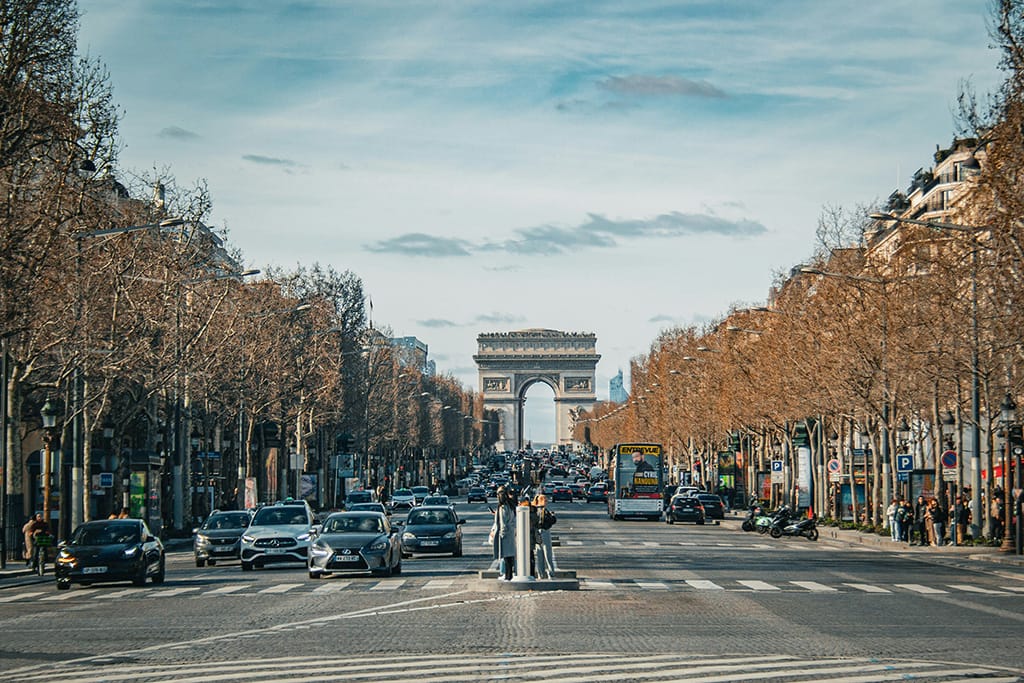
Considered the pinnacle of French luxury, the Golden Triangle in Paris’ 8th arrondissement is defined by Avenue Montaigne, Avenue George V and the Champs-Élysées. While compact, this elite area represents haute couture, international prestige and ultimate sophistication. The Golden Triangle’s stylish streets are home to high-fashion stores like Chanel, Dior and Fendi, as well as bars, clubs and restaurants that rarely close.
Regarding real estate, the Golden Triangle represents ultra-prime Paris and attracts ultra-high-net-worth buyers looking for long-term capital preservation. Fully renovated trophy apartments command some of the city’s highest prices per square metre, and there are also classic 19th-century stone buildings boasting family-sized apartments. High-end residences may incorporate amenities like concierge services, gyms and wine cellars, and since the 8th is one of Paris’ main business districts, commercial properties are also available here.
Saint-Germain-des-Prés and the 6th Arrondissement
After World War II, Saint-Germain-des-Prés became a cultural and intellectual hub where filmmakers, musicians and philosophers gathered. Renowned artists and writers who once lived in the 6th include Ernest Hemingway, George Sand, Oscar Wilde and Pablo Picasso. Today, the 6th arrondissement remains one of the most sought-after locations on the Left Bank, driven by consistently strong demand, historic prestige and limited real estate supply.
While close to the energetic heart of Paris, the 6th is notably peaceful and pleasant. Iconic cafes and historic bookshops, long associated with the neighborhood’s intellectual and literary background, shape its identity and add to its enduring cultural appeal. There are also antique shops, designer boutiques, high-end art galleries and specialty food markets that line the streets, and the Jardin du Luxembourg is perfect for running or cycling on a warm day.
The 7th Arrondissement: Discreet Luxury and Institutional Prestige
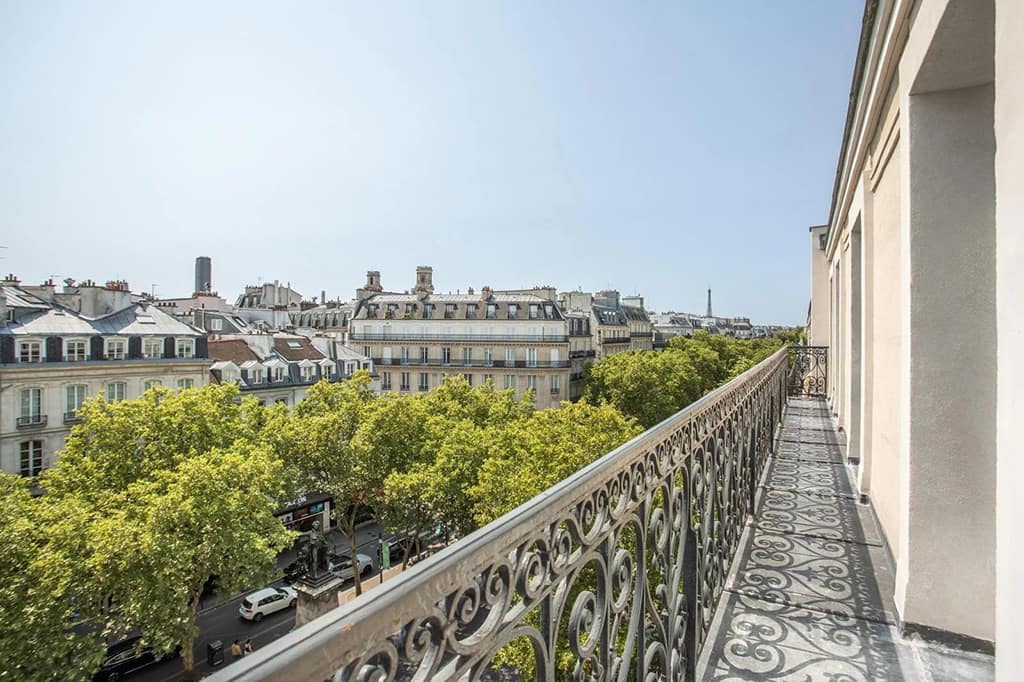
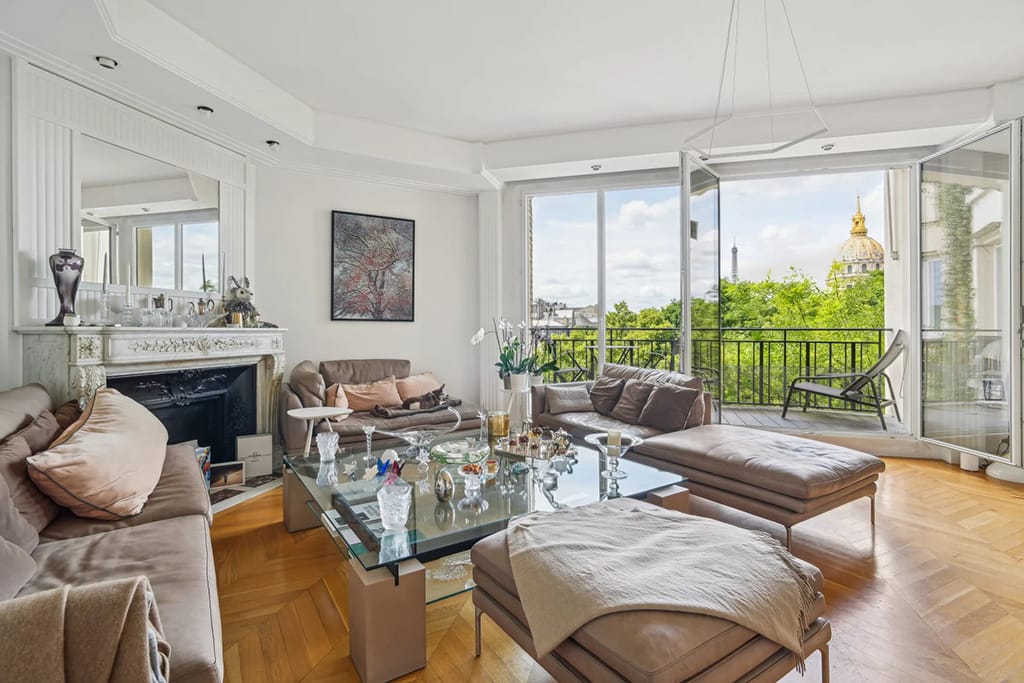
As home to a number of diplomatic residences and embassies, the 7th has adopted an air of discretion, international prestige, and security. Families and legacy buyers are drawn to the area thanks to cultural institutions, excellent schools, prestigious addresses and quiet streets. But while the 7th does have a handful of residential homes available, the most sought-after properties are elegant apartments with unbeatable views of the Eiffel Tower. The area’s exclusivity is a result of limited turnover, especially for high-end, luxury apartments, which create strong demand and some of Paris’ highest prices.
Traditional 1930s architecture can be found in this tranquil neighbourhood, and even renovated homes have retained their period traits like original fireplaces and parquet floors. Many properties are a short walk from the Seine, offering scenic waterfront strolls and access to some of Paris’s most iconic landmarks. Be sure to shop at the neighborhood’s independent bakeries and cheese shops, then visit the Palais Bourbon or the Musée d’Orsay.
The 16th Arrondissement: Space, Greenery, and Family Appeal
The 16th arrondissement is one of Paris’ wealthiest residential areas, and its strong international community makes it a great location if you want to connect with other expats. There’s also an abundance of green space here, and the neighborhood is home to the Bois de Boulogne park, which has lakes, recreational facilities and walking paths. Deciding between the northern and southern parts of the 16th will help you hone in on a more urban setting versus quieter, more residential surroundings. Either way, long-term investments are supported by enduring demand both domestically and internationally, as well as limited turnover and strict building regulations.
Trocadéro’s chic and quiet residential properties are perfect for families thanks to their close proximity to various schools and parks. The neighborhood’s ultra-modern apartments and 17th-century townhouses are spacious enough to host guests, often featuring views of the Seine, high ceilings and wrought iron balconies. Villas are available in Trocadéro as well, with deluxe amenities like indoor and outdoor swimming pools, multi-car garages, high-tech alarm and surveillance systems, and game rooms being common.
Le Marais (3rd and 4th Arrondissements): Prime, Yet Not Traditional
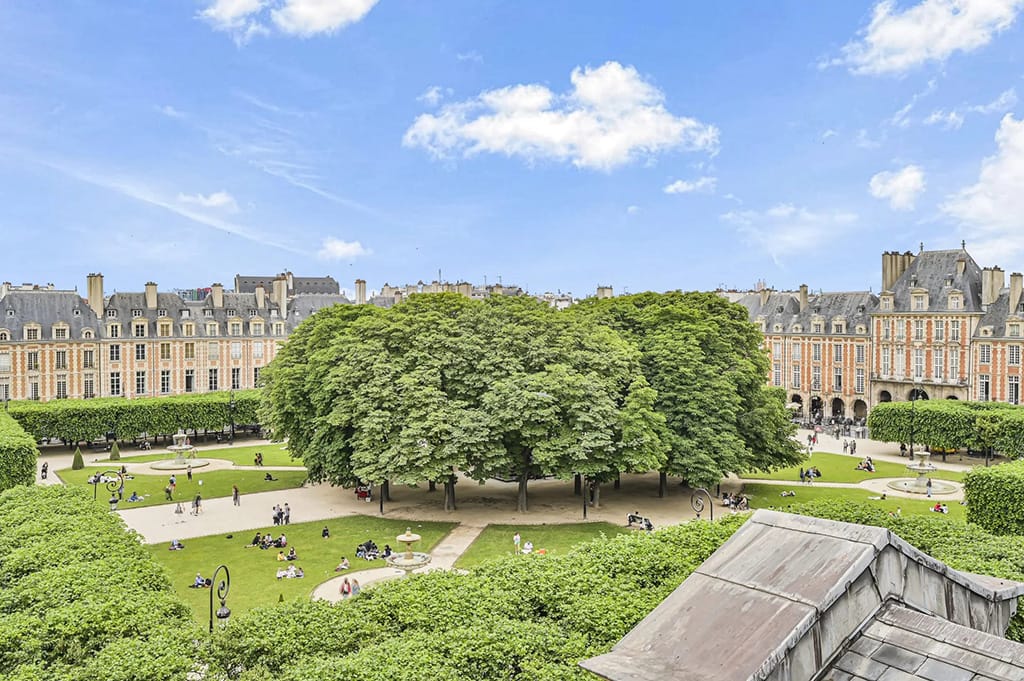
Le Marais, which spans the 3rd and 4th arrondissements, has a bit of a different take on Parisian luxury compared to the city’s other desirable neighborhoods — which is exactly why certain buyers are drawn to it. The historic district is defined by beautifully preserved hôtels particuliers, as well as medieval architecture and narrow streets. The area also has artisanal shops, boutique galleries, museums, and trendy cafes, which together create a vibrant atmosphere that’s one part convenient and one part culturally rich.
Despite the tighter streets and smaller apartments of Le Marais, property here is still priced high, reflecting its valuable character, individuality and lifestyle benefits. However, expert guidance is crucial when buying in this neighborhood, as historic buildings are known to have fewer modern amenities, irregular floor plans and strict renovation restrictions. The market is also less predictable than others in Paris, as Le Marais has unique homes rather than conventional properties.
Are Expensive Paris Neighborhoods Always the Best for Rental Investment?
Paris’ top neighborhoods may offer history, prestige and long-term capital preservation, but that doesn’t mean they’re the best when it comes to rental yield. Prime apartments commonly attract buyers who are after legacy or lifestyle, not necessarily cash flow. Moreover, rental regulations in central Paris can be strict, and tenant demand is often seasonal or short-term, which doesn’t make for the strongest investments.
It’s possible that less-expensive districts, such as the 9th and 10th arrondissements, will actually have better rental returns than Paris’ luxury-first areas. Reasonably priced areas often have year-round tenant demand, making them better options for investment buyers looking for steady income. Consider the 18th and 19th arrondissements, too, which are evolving thanks to cultural spots, modern refurbishments and popular cafes.
By pricing your property competitively, you’ll be able to attract long-term renters and young professionals who want an affordable way to live in Paris.
Final Thoughts: Choosing the Right Luxury Neighborhood
With 20 arrondissements to choose from, there isn’t one that can be called the best for every buyer. Instead, it’s wise to select the neighborhood that matches your lifestyle preferences, intended use and long-term goals.
Understanding nuances like building quality and micro-locations is important here, as subtle changes can have a big impact on your lifestyle and property costs. With expert guidance from a Home Hunts property agent, you can navigate on- and off-market opportunities with confidence and find a Parisian home that’s sure to be an enjoyable and lucrative investment long-term.


